The card room / Poker guide

Poker is better around the table

This is a calm starting point for face-to-face Texas Hold’em at luckypullse. Our offline poker Australia experience happens in person, around real tables in a dedicated card-room atmosphere. Learn table language, tournament flow, starting chips and good room etiquette before you arrive.

Restaurant tables and private groups can also be arranged through the venue.

Before the first hand

The room before the rules

A little context makes a first visit feel easier. At luckypullse, poker is a shared, attentive room experience before it is anything else.

A seat at a real poker table

The experience begins at a shared physical table: cards on felt, chips within reach, conversation between hands and people following the same order of play. It is face-to-face poker, social without losing its focus, with the table itself setting a considered rhythm for everyone in the room.

The social club

A restaurant with poker at its centre

luckypullse brings together a restaurant, drinks and an atmospheric card room, but poker remains the reason for this guide. If you are planning food around your visit, explore the Restaurant page; the poker table stays at the centre of the evening.

First visit

Arrive ready to join in

Familiarity grows quickly when you know a few core terms, observe the table and choose a session that suits your plan. Poker nights, tournament tables and private events each offer a different way into the room. Read on, then reserve a poker session with confidence.

Texas Hold’em basics

Texas Hold’em, one hand at a time

This is an accessible overview of the live table flow, not a strategy manual. Watching the sequence once or twice is a useful part of learning.

  1. 01

    Find the dealer button

    The dealer button is a visible physical marker that moves around the table between hands. It helps establish the order of action, so players can follow the table rhythm without needing a rulebook in front of them.

  2. 02

    Blinds begin the action

    Blinds are structured positions that begin a hand and keep play moving around the poker table. If the language is new, take a moment to watch a round and notice how the positions move with the button.

  3. 03

    Your private cards

    Each player receives cards of their own, then considers how to proceed as action arrives around the table. In live Texas Hold’em, it helps to follow the shared order and give each person space for their turn.

  4. 04

    Community cards shape the hand

    Shared community cards are dealt into the middle of the felt and become the table’s collective focus. Each player considers those cards alongside their own while the physical pace of the hand continues around the table.

  5. 05

    A hand ends, the table continues

    When a hand finishes, the room moves naturally towards the next one and the dealer button continues its journey. Paying attention to this flow is part of learning face-to-face poker. Next: table language

Field notes

The table-language field notes

A handful of terms makes the live room easier to enjoy. These definitions are about physical poker tables, shared structure and the practical language you will hear at luckypullse.

Room term

Poker table

A poker table is the shared physical setting where felt, cards, chips, seating order and conversation come together. It is a real-table experience at the venue, rather than remote or screen-based play.

Useful first term

Buy-in

A buy-in is registration for a session. It provides a starting stack of poker chips for taking part at the table, giving first-time guests a clear practical way to understand how they join a live session.

Starting point

Starting stack

A starting stack is the poker chips provided when a player registers. These starting chips are used to take part in the physical session and keep the explanation firmly connected to the room and table.

Table structure

Blinds

Blinds are the positions that open the structure of a hand. They rotate with the dealer button, helping the live table maintain an orderly pace without asking visitors to learn detailed strategy first.

Table marker

Dealer button

The dealer button is a visible marker that indicates position and travels around the players between hands. Seeing it move is one of the simplest ways to understand the rhythm of a physical poker table.

Structured play

Tournament table

A tournament table is a live table within a structured Texas Hold’em tournament. Each participant begins with a starting stack and follows the session format in person. Explore Texas Hold’em tournaments for fuller format information.

Tournament term

Final table

A final table is the focused closing table within a tournament format, where remaining participants continue around the felt face-to-face. It describes the room’s progression without taking attention away from the shared table experience.

Social format

Poker night

Poker nights are venue-based social occasions centred on live tables, Texas Hold’em conversation and the rhythm of the room. You can pair an evening with the restaurant experience, then explore Poker Nights for the relevant pathway.

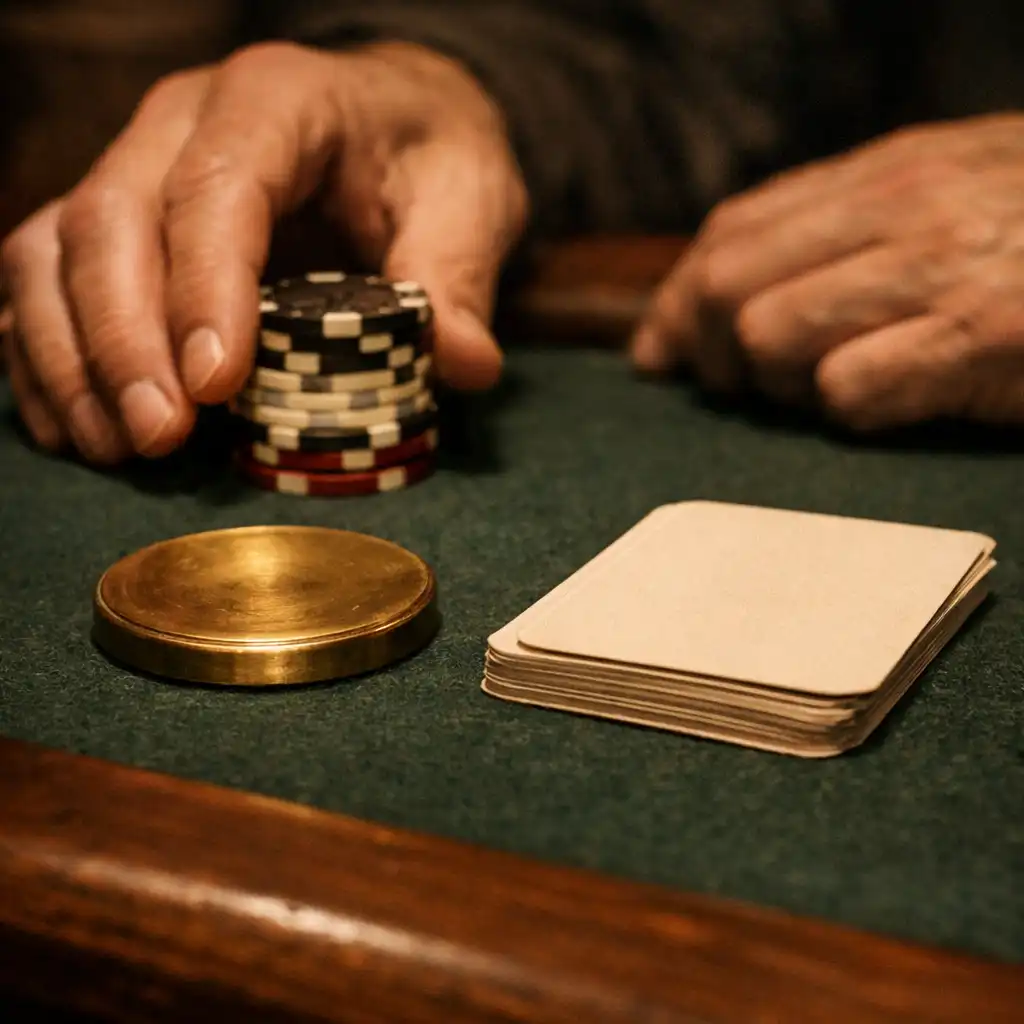
Hands, cards, poker chips and a dealer button on a dark green felt table

At the table

The physical rhythm matters

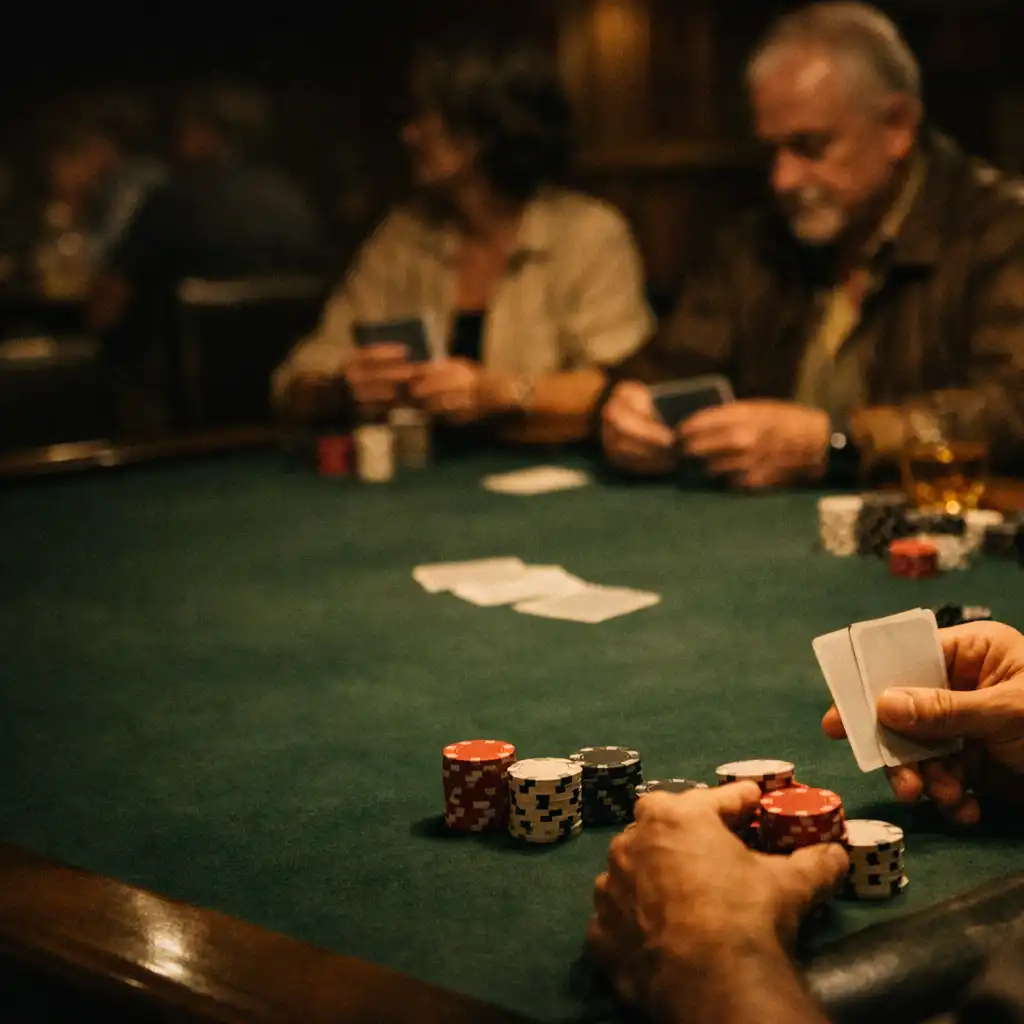
Cards meeting felt, chips gathered into a starting stack, the dealer button moving and players reading the pace of a shared table: these small cues give live poker its character. At luckypullse, the card room is an in-person experience shaped by attention and conversation. The more you notice the table’s rhythm, the more naturally the language of Texas Hold’em starts to make sense.

At the table

Watch the action before yours

Follow the turn order, notice when the dealer button and blinds move, and ask for practical guidance if you are unsure. Taking a quiet moment to observe is a respectful way to settle into a new live table.

Shared room

Keep the table shared

Clear conversation, care for cards and chips, and attention when it is a player’s turn all help the room stay comfortable. Good etiquette is simply part of making a social-club table work well for everyone.

Tournament journey

From registration to the final table

A tournament format is a clear sequence of venue-based steps. The important thing for first-time visitors is that registration, chips and table flow all happen in the room.

01

Register for the session

Registration is the practical first step for joining the relevant live poker session. You may hear it called a buy-in; it is registration for the venue session, not an account. Use Reserve to begin the right pathway.

02

Receive a starting stack

The buy-in provides a starting stack of poker chips for taking part at the tournament table. These starting chips belong to the in-room session explanation, with no need for values or remote-play language.

03

Follow the table structure

Players take their places at tournament tables and follow the live Texas Hold’em flow. Blinds and the dealer button provide the physical order, making the structure easier to follow as the session unfolds.

04

Stay with the room’s progression

A tournament format can narrow towards a final table while remaining a shared face-to-face card-room experience throughout. For format-specific information, visit the Tournaments page.

Practical preparation

First visit, made easier

You do not need a dense rulebook to begin. A clear plan, a few familiar terms and a little attention to the live table flow go a long way.

01

Pick the purpose of your evening

Decide whether you are looking for a poker night, a tournament format, a High Roller session or a private group occasion. Use the relevant page to understand the pathway before reserving, then choose the live table experience that best suits your plan.

02

Use the language, then observe the flow

Knowing buy-in, starting stack, blinds and dealer button is enough to begin understanding the table’s rhythm. Once seated, observe the turn order before acting. Live poker is shared and face-to-face, so following the room is as useful as memorising terms.

Buy-in · starting chips · blinds · dealer button

03

Reserve with the right intention

The Reserve pathway can be used for dining, poker sessions or private events, letting you signal the venue experience you are planning. If your group is considering a poker-centred occasion, use the private-event route to ask about it.

Reserve a table
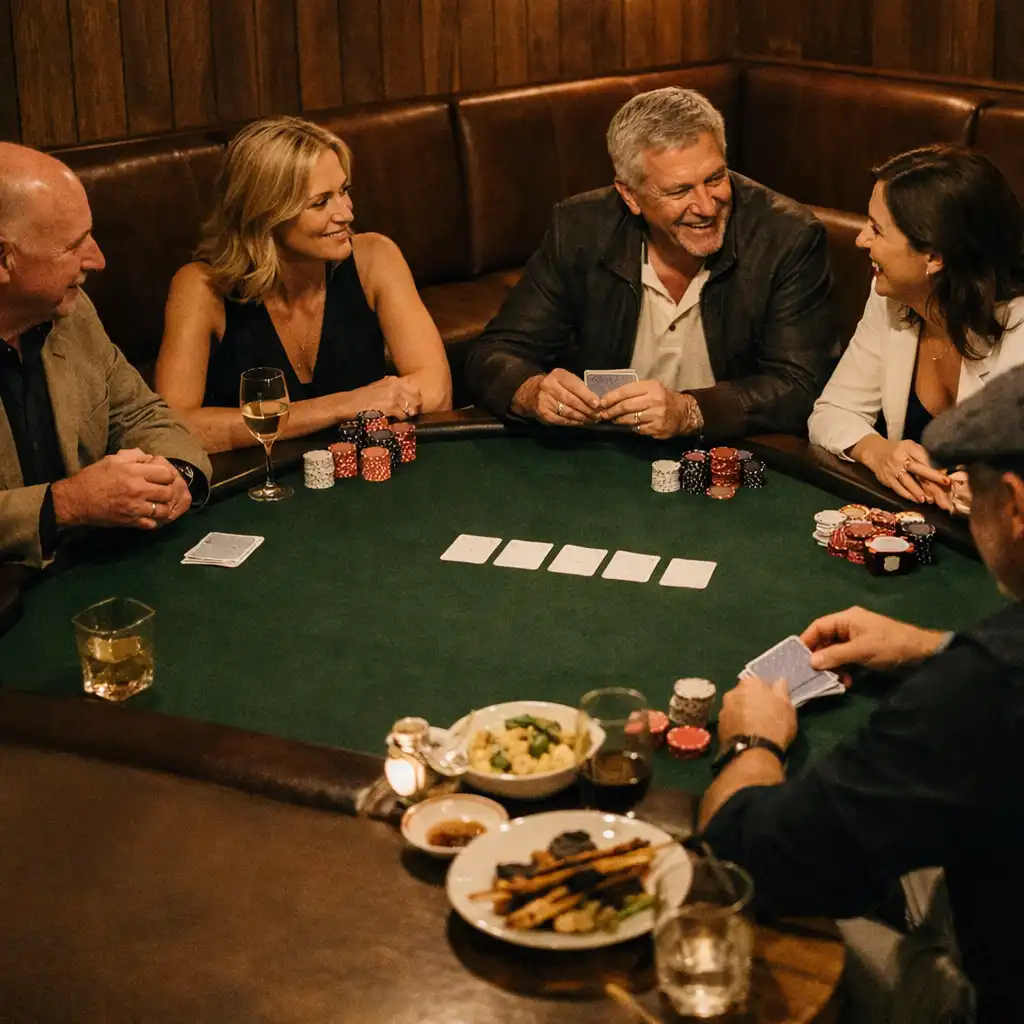
Group gathered around a poker table in a timber and leather social club setting

Private occasion

A private event with a card-room focus

Groups can enquire about a private poker event built around face-to-face table time at luckypullse. The restaurant and drinks side of the social club can form part of the wider occasion, while poker remains the subject of the plan. Start with the kind of physical table experience your group wants, then use the event pathway to begin a considered venue-based conversation.

Plan a private event

In person

Keep the conversation venue-based

The event conversation is about arranging a physical occasion at luckypullse, not remote play or an online account. Visit Private Poker Events for the enquiry pathway.

Your next table

Ready for a real table?

Choose the in-person plan that suits your evening: book a poker session around real tables, reserve a restaurant table before or after the card room, or begin a private poker event enquiry for your group.

A calm table is a shared experience. Participation is venue-based for guests who meet the venue’s participation requirements, with respectful table conduct expected throughout the room.